
The Secret Childhood Connection Trope in K-Dramas: When Destiny Works and When It Doesn’t
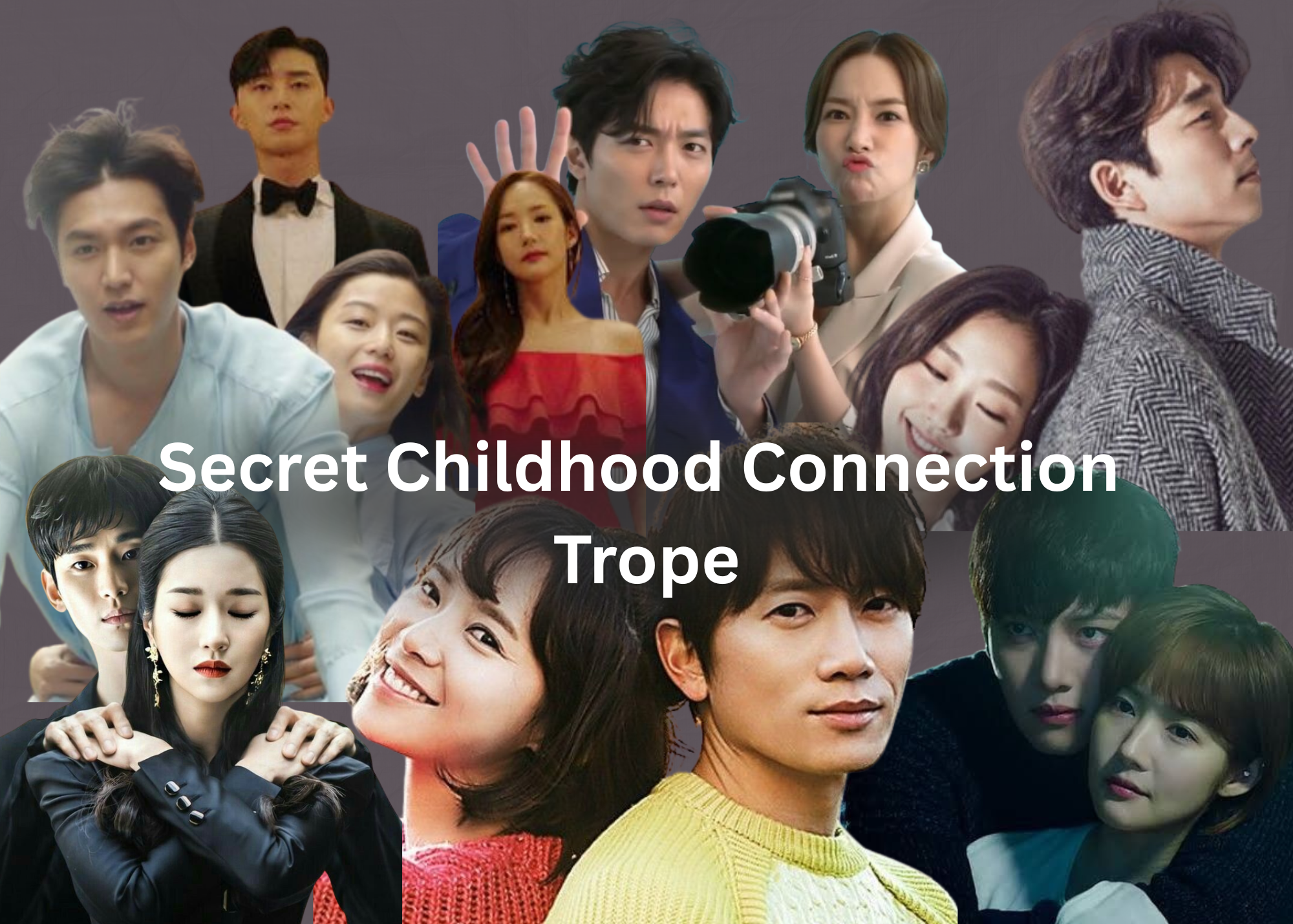
When destiny is meaningful… and when it is just unnecessary.
If you watch enough K-dramas, sooner or later you will encounter this moment:
two characters fall in love, and then the story reveals, “Actually… they met as children.”
This is known as the Secret Childhood Connection trope. It implies that the relationship was never random, that fate had been working behind the scenes long before romance began.
Some viewers love it. Some viewers hate it.
I sit firmly on the fence.
I do not dislike the trope itself. I dislike it when it is used without purpose.
Because when this trope is done well, it adds emotional gravity and narrative depth.
When it is done poorly, it feels like decorative destiny. A twist that sounds dramatic but changes nothing.
For new K-drama watchers, this trope can feel magical.
For veteran watchers, it often triggers skepticism.
So let’s talk about what this trope is supposed to do, when it earns its place, and when it absolutely does not.
What the Trope Is Meant to Do
At its best, the Secret Childhood Connection:
Deepens emotional stakes
Explains trauma or attachment
Adds meaning to healing arcs
Makes love feel intentional, not coincidental
Connects the past to present identity
At its worst, it:
Adds nothing to character development
Does not change the plot
Does not affect decisions or relationships
Exists purely for shock or “fate aesthetics”
Feels like a required K-drama ingredient
The simplest test is this:
If removing the childhood connection changes nothing about the story, then it never needed to be there.
When the Trope Is Done Well
(When destiny actually does narrative work)
These dramas require the trope. Without it, their emotional and structural foundations weaken.
Kill Me, Heal Me (2015)
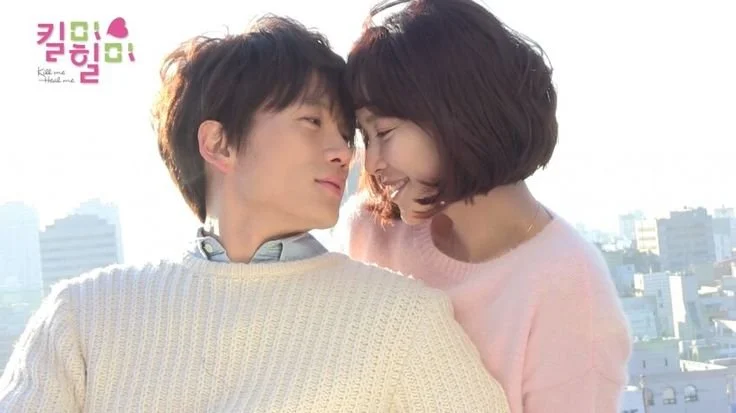
This is the gold standard. The childhood connection is the origin of trauma, fractured identity, and psychological survival. It is not romantic fluff. It is narrative necessity.
Remove it, and the story collapses.
Healer (2015)
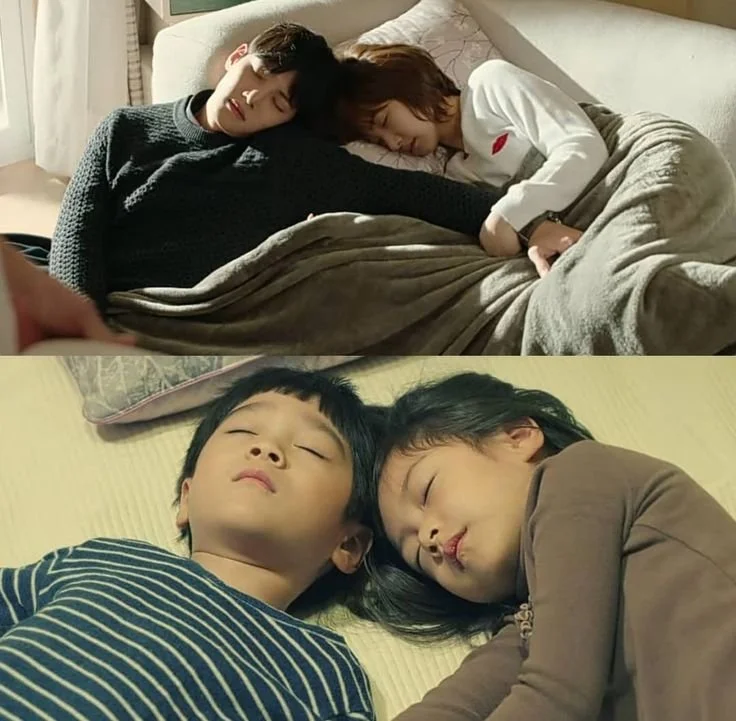
Here, the trope ties together romance, political corruption, journalism, and generational truth. The past is not sentimental. It is evidence.
The childhood connection explains danger, loyalty, and emotional gravity.
It’s Okay to Not Be Okay (2020)
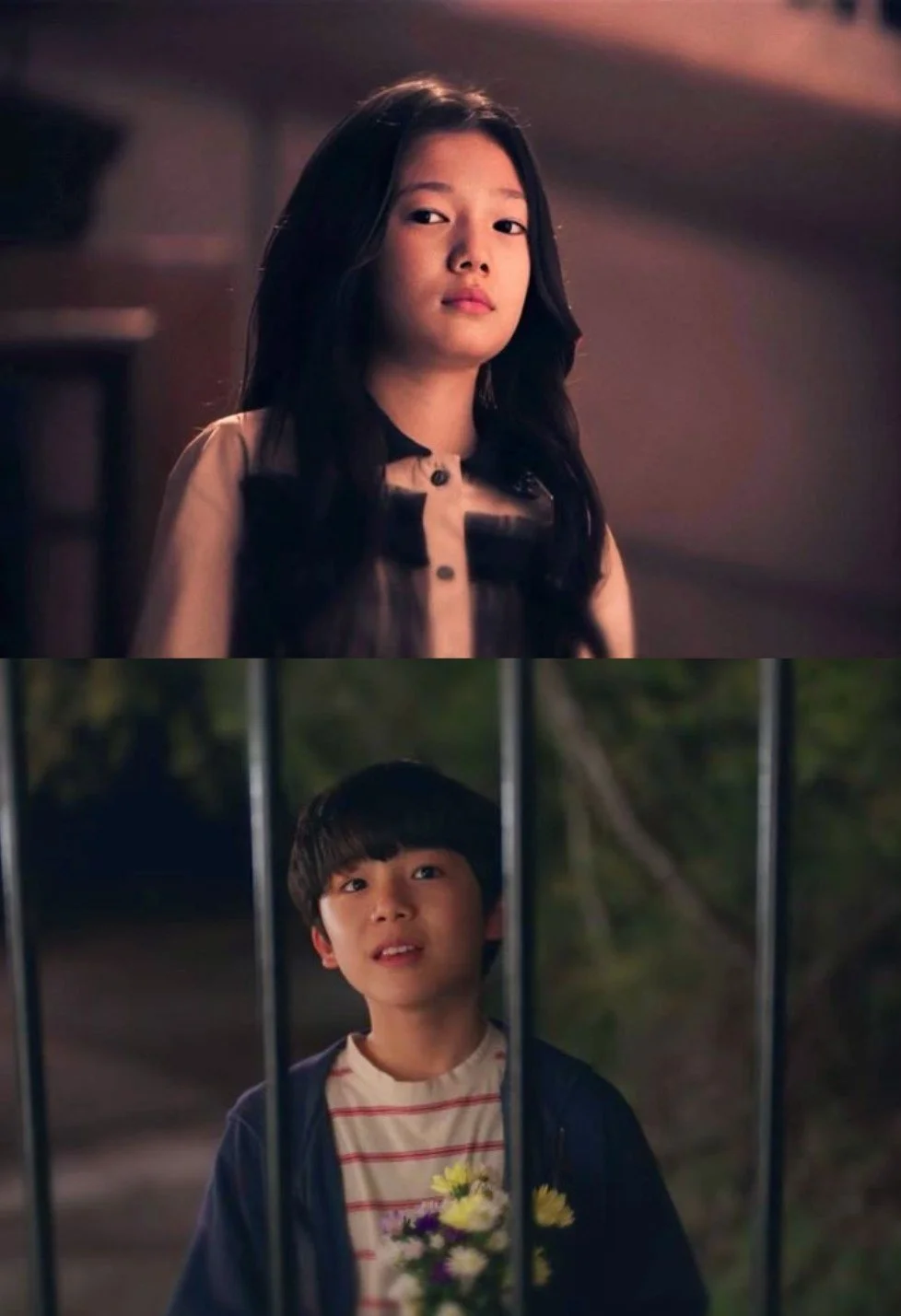
This drama uses the trope to explain emotional wounds and survival mechanisms. The connection between the leads is not coincidence. It is rooted in shared trauma and long-buried memory.
The trope deepens healing instead of replacing it.
Legend of the Blue Sea (2016)
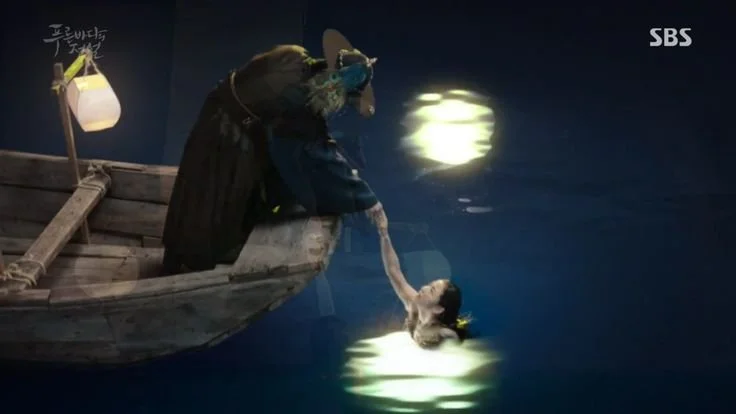
This one commits fully to fantasy destiny. Reincarnation, erased memory, and recurring love across lifetimes make the trope poetic instead of convenient.
The genre justifies the device.
Goblin (2016)
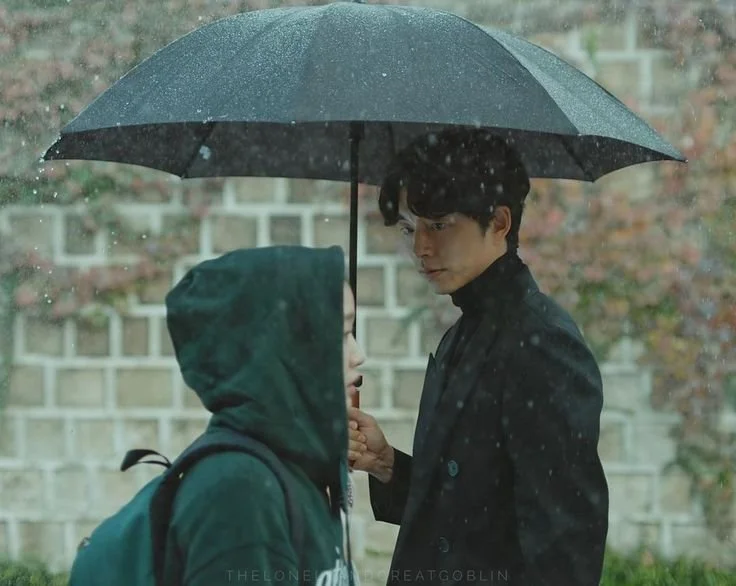
Whether loved or debated, the childhood connection is structurally essential. Destiny is not decoration. It is the foundation of the story’s mythology.
This is fate used intentionally.
When the Trope Feels Unnecessary
(When destiny becomes decorative)
These are the dramas where the trope feels added rather than needed.
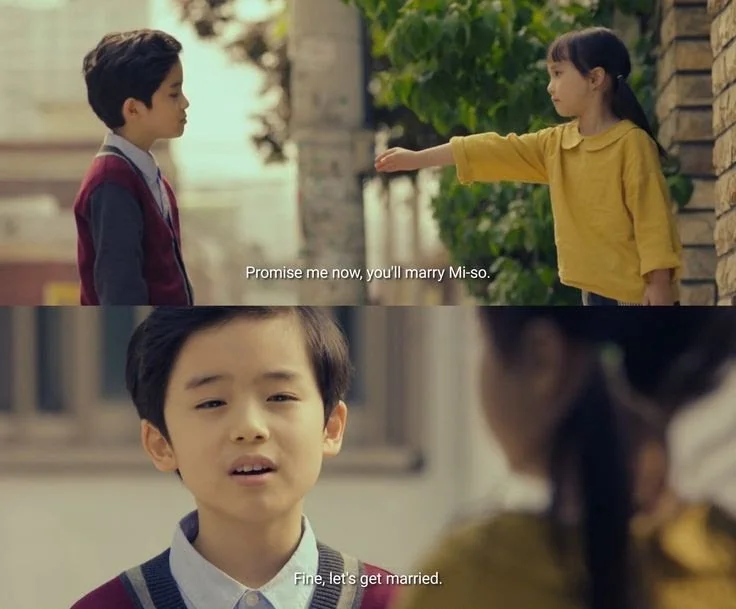
What’s Wrong With Secretary Kim (2018)
This drama already worked as:
a workplace romance
a story about power imbalance
emotional growth through adult communication
The childhood trauma reveal does not change the relationship.
It does not alter character decisions.
It does not deepen the romance in a meaningful way.
It feels like destiny was added because the genre expected it, not because the story required it.
The relationship was already valid without fate.
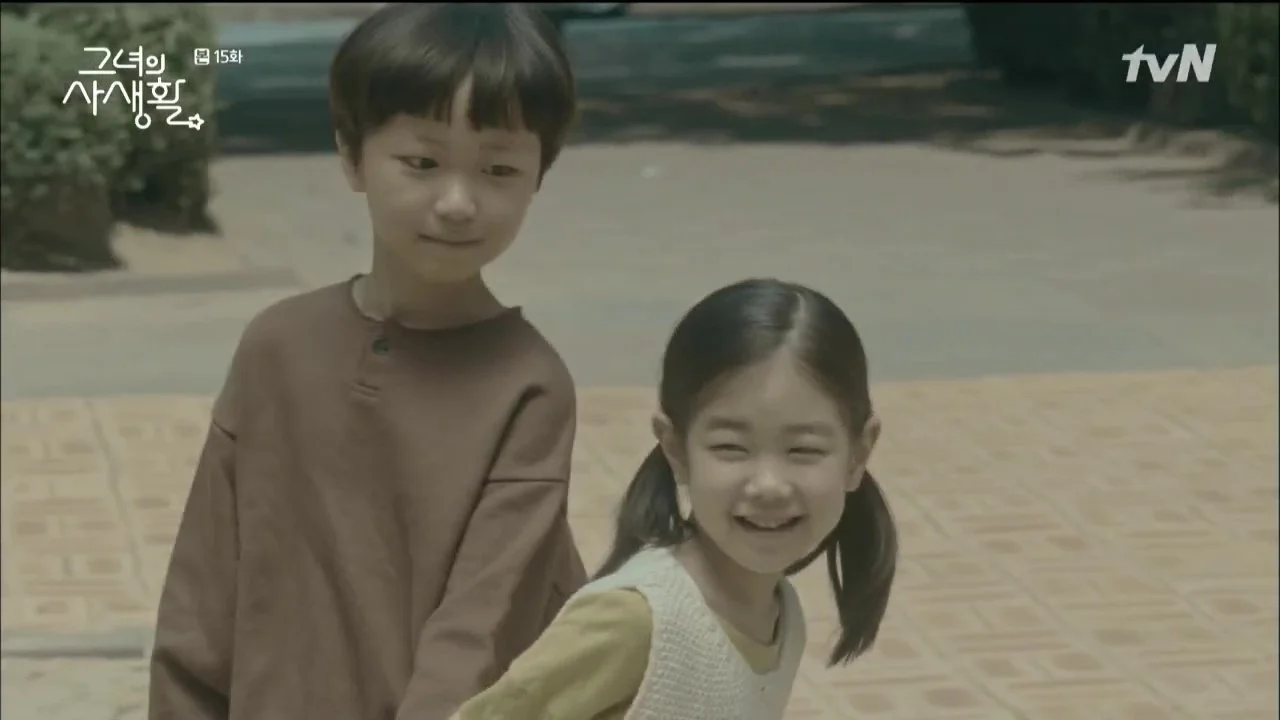
Her Private Life (2019)
This is an even clearer example of unnecessary destiny.
The strength of this drama lies in:
adult choice
mutual respect
emotional honesty
a fully realized female lead
The childhood connection:
does not change their relationship
does not affect their decisions
does not deepen emotional stakes
It simply labels their love as “fated” when it was already meaningful without it.
This is the trope at its weakest: ornamental, not structural.
Why This Trope Is So Divisive
K-dramas often struggle to trust love that forms naturally in adulthood. Destiny becomes a shortcut to emotional legitimacy.
But love does not always need a shared past.
Sometimes choosing each other in the present is more powerful than remembering each other from childhood.
That is why this trope only works when it adds something irreplaceable.
My Rule for This Trope
I do not ask:
“Did they meet as children?”
I ask:
“Would this story lose emotional or narrative depth if they had not?”
If the answer is yes, the trope earned its place.
If the answer is no, it was unnecessary.
Final Thoughts
The Secret Childhood Connection trope is not good or bad by default.
It is powerful when intentional.
It is frustrating when lazy.
I am not anti-destiny.
I am anti-decorative destiny.
Because when writers trust their characters and their present choices, love does not need a childhood receipt to feel real.
